Red Carpet, Who? How Hollywood's Glamour Machine Got Ghosted by the Internet
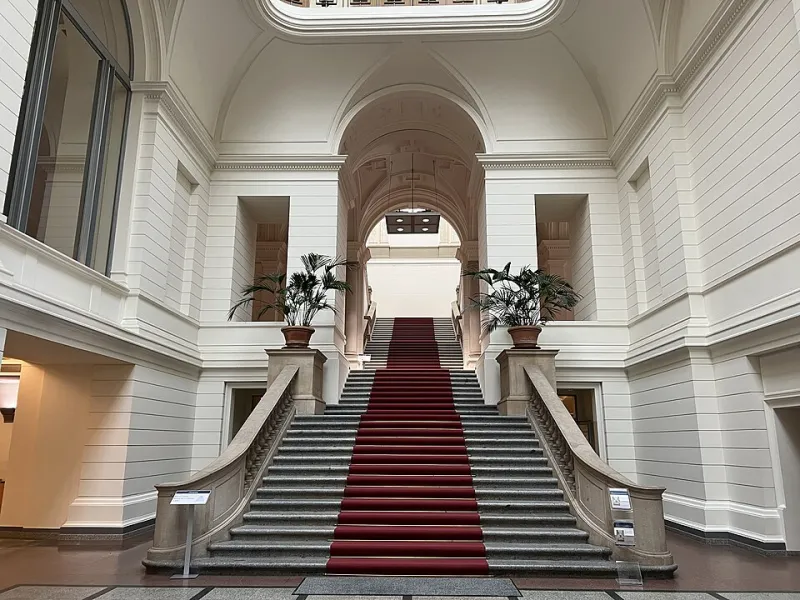
Photo: Lukas Beck, CC BY 4.0, via Wikimedia Commons
There's a specific kind of magic that used to happen on a red carpet. The lights, the gowns, the perfectly rehearsed sound bites delivered to a rotating wall of cameras — it was theater, and everyone knew their role. Studios spent millions staging these moments. Entertainment journalists flew across the country for them. Fans camped outside for hours just to catch a glimpse.
So what happened?
Look at the numbers from any major blockbuster premiere in the last two years and you'll notice something uncomfortable: the carpet coverage barely moves the needle anymore. Meanwhile, a grainy clip of a cast member doing a bit on their phone in a green room goes viral before the limo even pulls up. The red carpet didn't die overnight — it's been slowly ghosted by an industry that hasn't quite admitted it yet.
The Old Playbook Doesn't Play Anymore
For decades, the promotional machine behind a major film or TV release followed a reliable script. Lock in a premiere date, book the talent on the late-night circuit, send them down the carpet in coordinated outfits, and let the press amplify everything. The logic was simple: manufactured moments, distributed through gatekeepers, reaching a mass audience.
That pipeline assumed a few things that are no longer true. It assumed audiences trusted traditional entertainment media as a discovery mechanism. It assumed celebrities needed those platforms to reach fans. And it assumed that polished, controlled content was inherently more desirable than raw, unfiltered access.
All three assumptions collapsed somewhere around 2020, and the industry is still catching up.
TikTok didn't just change how people consume content — it rewired what audiences expect from the people they admire. When fans can watch their favorite actor stumble through a pasta recipe or do a dead-on impression of their director at 2 a.m., a carefully lit walk down a carpet starts to feel weirdly distant. Almost fake, even when it isn't.
The Intimacy Economy
What's replaced the carpet moment isn't chaos — it's a different kind of strategy, one built on closeness rather than spectacle.
Take the promotional run for Saltburn in late 2023. Barry Keoghan and Jacob Elordi weren't the ones setting the internet on fire with press junket clips. It was fan edits, cast interviews that felt genuinely unscripted, and the kind of organic word-of-mouth that no publicist can manufacture. The film's marketing didn't ignore traditional channels entirely, but the cultural conversation happened somewhere else entirely.
Or look at how The Bear built its audience — almost entirely through the kind of passionate, grassroots sharing that traditional premiere coverage can't replicate. The show's cast did press, sure. But the moments that lived online were the unexpected ones: candid interviews, cast chemistry videos, behind-the-scenes glimpses that felt earned rather than staged.
Studio marketing departments are watching all of this and quietly panicking. The red carpet still exists because it signals prestige, and prestige still matters to certain audiences and awards voters. But as a tool for actually reaching the people who will watch your movie on opening weekend? It's increasingly ornamental.
When the Talent Skips the Carpet Entirely
Here's where it gets really interesting. Some of the most successful promotional moments in recent memory happened when talent bypassed the traditional circuit altogether.
Kendrick Lamar's Super Bowl halftime show announcement spread faster through social posts than any coordinated press release could have managed. Sabrina Carpenter built genuine movie buzz through her own channels before a single press tour began. Even major film studios have started quietly admitting that a creator's existing audience is often more valuable than a carpet placement.
Actors with substantial social followings increasingly negotiate how they'll promote projects, sometimes pushing back on the traditional tour model in favor of content they actually control. This isn't just about ego — it's about efficacy. A star with 10 million TikTok followers who posts one authentic video can outperform three carpet appearances combined, and they know it.
The power dynamic has genuinely shifted, and the carpet is one of the clearest places to see it.
Can the Industry Adapt?
Some studios are trying. Disney has experimented with more casual, fan-facing premiere formats. Netflix often leans into the social moments around its premieres rather than the events themselves, seeding content with creators and influencers who will generate organic coverage. A few studios have even started designing red carpet moments specifically to be filmed vertically — which tells you everything about where priorities have landed.
But there's a tension here that's hard to resolve. The carpet exists partly because it's aspirational. The velvet rope, the exclusivity, the sense that something important is happening — that's the point. Making it more casual, more TikTok-friendly, risks diluting the very thing that gives it whatever remaining cultural weight it has.
The honest answer is probably that the red carpet survives as a prestige ritual for awards season and major franchise events, while everyday promotional work moves somewhere more intimate and direct. It becomes less of a marketing tool and more of a tradition — like a handshake at the end of a business meeting. Polite, expected, and not really where the deal gets done.
What Actually Matters Now
If you're paying attention to where entertainment culture actually lives in 2024, it's not on a carpet. It's in comment sections, in fan communities, in the moment a creator drops something unexpected that nobody saw coming.
The stories that stick aren't the ones with the biggest production budgets or the best lighting. They're the ones that feel real — or at least real enough. And that's a standard the red carpet, by definition, can never meet.
Hollywood built an entire mythology around the idea that access was the product. The more carefully controlled and visually spectacular the access, the more valuable it was. That logic made sense when the gatekeepers controlled the cameras.
Now everyone has a camera, and the gates are wide open. The carpet didn't get torn up — it just stopped being the destination.