Crying on Camera: How 'Being Real' Became Celebrity's Biggest Act
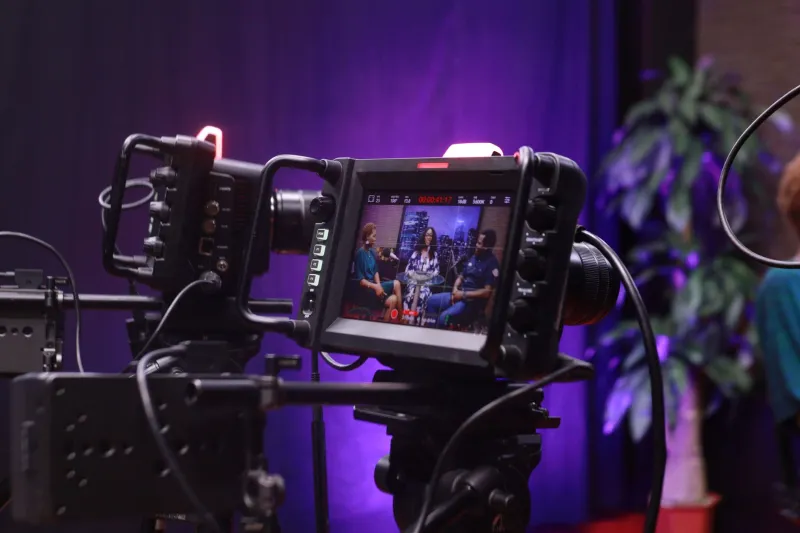
There's a specific kind of exhaustion that sets in when you watch a celebrity cry on camera for the third time in a single press cycle. You want to feel something — empathy, connection, maybe even relief that someone famous is admitting they're not okay. But instead, you're left with this hollow, vaguely guilty feeling: Is this real? Does it matter if it's not?
We are deep inside the authenticity era of celebrity culture, and honestly? It's starting to feel like its own kind of performance.
The Vulnerability Industrial Complex
Somewhere between Brené Brown going mainstream and the rise of parasocial relationships on social media, the entertainment industry figured something out: audiences don't just want to watch stars — they want to know them. And so the machine adapted. Publicists began coaching clients on when and how to share personal struggles. Album rollouts now come with attached trauma narratives. Reality TV stopped pretending to be unscripted and leaned fully into the theater of emotional breakdown.
The result is a strange feedback loop. Celebrities perform vulnerability, audiences reward it with engagement, and the algorithm amplifies whichever confession hit hardest. Before long, being publicly messy becomes a career strategy — not necessarily a conscious one, but a strategy nonetheless.
Think about how many major celebrity moments in the last few years have followed a near-identical script: a quiet period, then a surprise interview or social post, tears or trembling voice optional but preferred, followed by a wave of supportive headlines and a streaming project or album drop within the month. The timing is rarely coincidental.
When Sharing Becomes a Transaction
None of this means celebrities aren't genuinely struggling. Many of them clearly are. The mental health conversations that have opened up in Hollywood over the last decade — around addiction, anxiety, postpartum depression, grief — have done real good. When Selena Gomez talks about lupus, or Simone Biles walks away from an Olympic event to protect her mental health, those moments ripple outward and give permission to regular people to do the same. That matters.
But there's a difference between a moment of honest reckoning and a carefully constructed narrative of emotional availability. The problem isn't vulnerability itself — it's that vulnerability has been so thoroughly packaged and monetized that our ability to recognize the genuine article is genuinely compromised.
When every celebrity has a "dark chapter" chapter in their memoir, when every comeback requires a confessional interview, when relatability is a PR objective — audiences start to sense the scaffolding. And once you see it, you can't unsee it.
What Audiences Actually Want (It's Complicated)
Here's the uncomfortable part: we are not innocent bystanders in this dynamic. The demand for celebrity intimacy didn't emerge from nowhere. We clicked on the tearful TikToks. We streamed the documentaries where pop stars cried in tour buses. We rewarded the confessions with parasocial devotion.
So do audiences actually want authenticity, or do we want something that feels authentic while still being safe, digestible, and neatly resolved? Because real vulnerability is often neither of those things. Real vulnerability is awkward and incomplete. It doesn't come with a lesson or a product launch attached.
What most celebrity "realness" offers is a curated version — emotional enough to feel human, controlled enough to protect the brand. It's vulnerability with a safety net, which is a completely understandable thing to want when you're famous and everything you say can be screenshotted and weaponized. But it does create a ceiling on how genuine any of it can actually be.
The Cost of Constant Emotional Labor
There's another angle here that doesn't get talked about enough: what this cycle costs the celebrities themselves. The pressure to be perpetually open — to share grief in real time, to respond to every public narrative about your personal life, to perform healing for an audience — is its own kind of trap.
Some stars have started pushing back. Beyoncé has built an entire career on controlled mystique, sharing on her own terms and almost never in the confessional mode. Taylor Swift, for all her reputation as someone who speaks directly to fans, has become increasingly deliberate about what she reveals and what she protects. There's something telling about the fact that the artists who guard their private lives most carefully are often the ones whose public personas feel the most durable.
Being "real" all the time isn't sustainable. And asking audiences to emotionally process a celebrity's trauma alongside their own lives is, when you step back, a pretty significant ask.
A More Honest Conversation
None of this is an argument for going back to the old Hollywood model of carefully managed mystique and zero personal disclosure. That era had its own dishonesty baked in — the manufactured perfection, the hidden struggles, the PR marriages. Audiences weren't being respected then either.
What I'm reaching for is something more nuanced: a media culture that can tell the difference between a public figure genuinely inviting connection and one who's been coached to simulate it. That can appreciate real moments without demanding they come on a schedule. That allows celebrities to be human without turning their humanity into content.
The stories that actually move me — the ones that feel true — tend to be the ones that arrive unexpectedly, without a press release. They're the ones that don't quite fit the narrative. They're unpolished in a way that no brand team would have approved.
That's the authenticity I'm still holding out for. Not the kind that comes with a promotional tour attached.